
Part V. Reflection & Action
-
![]()
1.Looking Back at Your Journey
Reaching the final module means you’ve already built something important: a strong, practical understanding of how to stay safe, confident, and responsible in the digital world. Cybersecurity may have seemed technical or overwhelming at first, but step by step you learned to:
recognize online threats
protect your accounts with strong authentication
understand how malware spreads
browse and shop safely
value your privacy and personal data
navigate your digital rights and responsibilities
You also discovered that cybersecurity is not about fear or perfection. It’s about awareness, responsibility, and confidence. Your online safety depends on the choices you make every day — the links you click, the passwords you create, the information you share, and the way you treat others online.
Take a moment to reflect
What surprised you the most?
What changed in the way you see the internet?
Which habits do you already feel more confident about?
Reflection is the first step in turning knowledge into long‑term action.
-
![]()
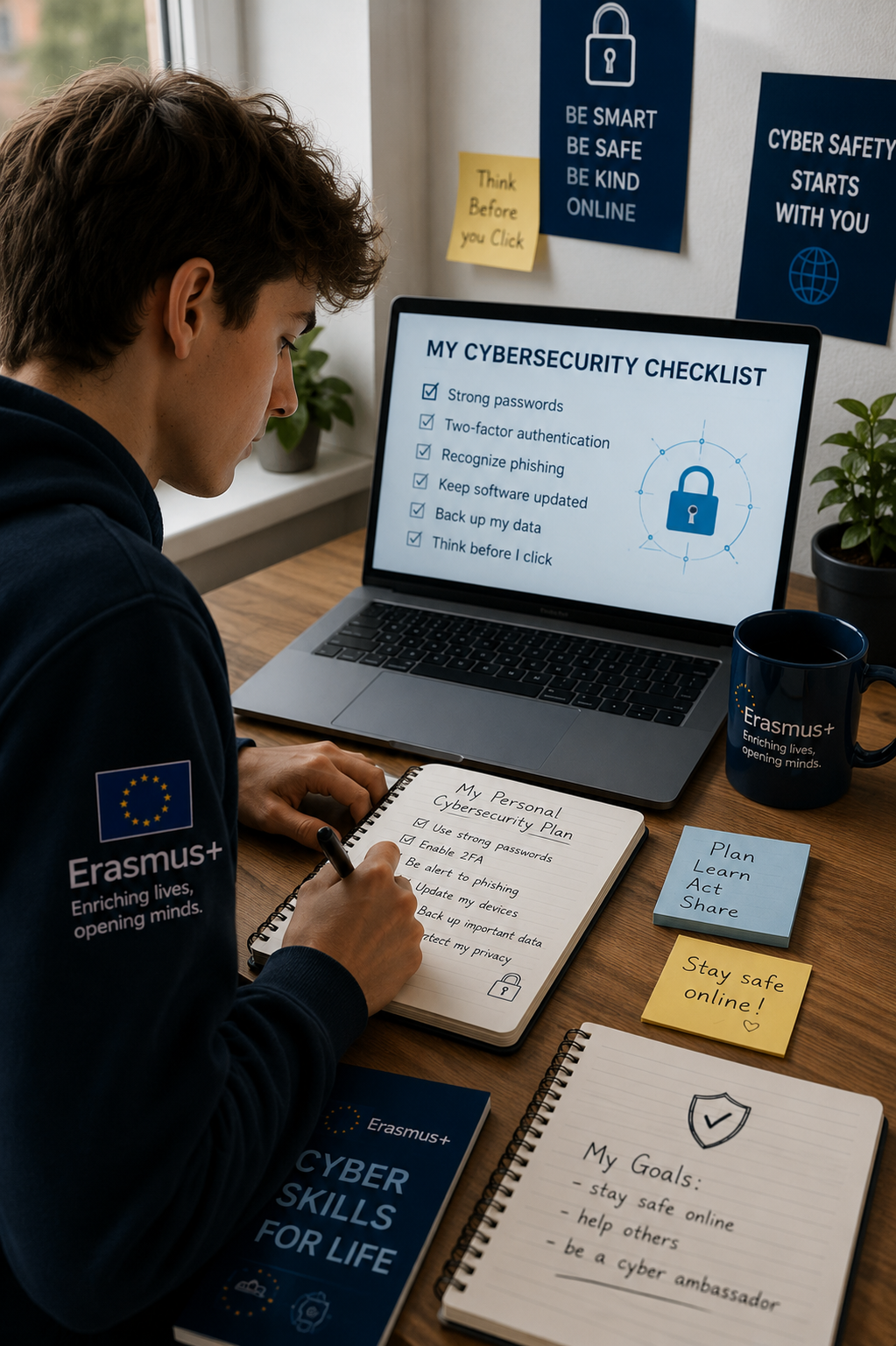
2.Creating Your Personal Cybersecurity Checklist
Now that you understand the bigger picture, it’s time to create your own digital safety routine — a simple checklist you can use in your daily online life. This checklist helps you stay consistent and reminds you of the habits that protect you.
Passwords & Accounts
Use long, unique passphrases
Enable two‑factor authentication
Avoid reusing passwords
Privacy & Data
Review app permissions regularly
Think before posting
Limit who can see your content
Device Safety
Install system and app updates
Avoid cracked apps or unknown downloads
Back up important files
Browsing & Shopping
Check URLs and HTTPS
Avoid logging in on public Wi‑Fi
Verify shops before buying
Digital Citizenship
Ask for consent before posting others
Report harmful or suspicious content
Be mindful of your digital footprint
Your checklist doesn’t need to be long — it just needs to be yours: realistic, meaningful, and easy to follow.
-
![]()
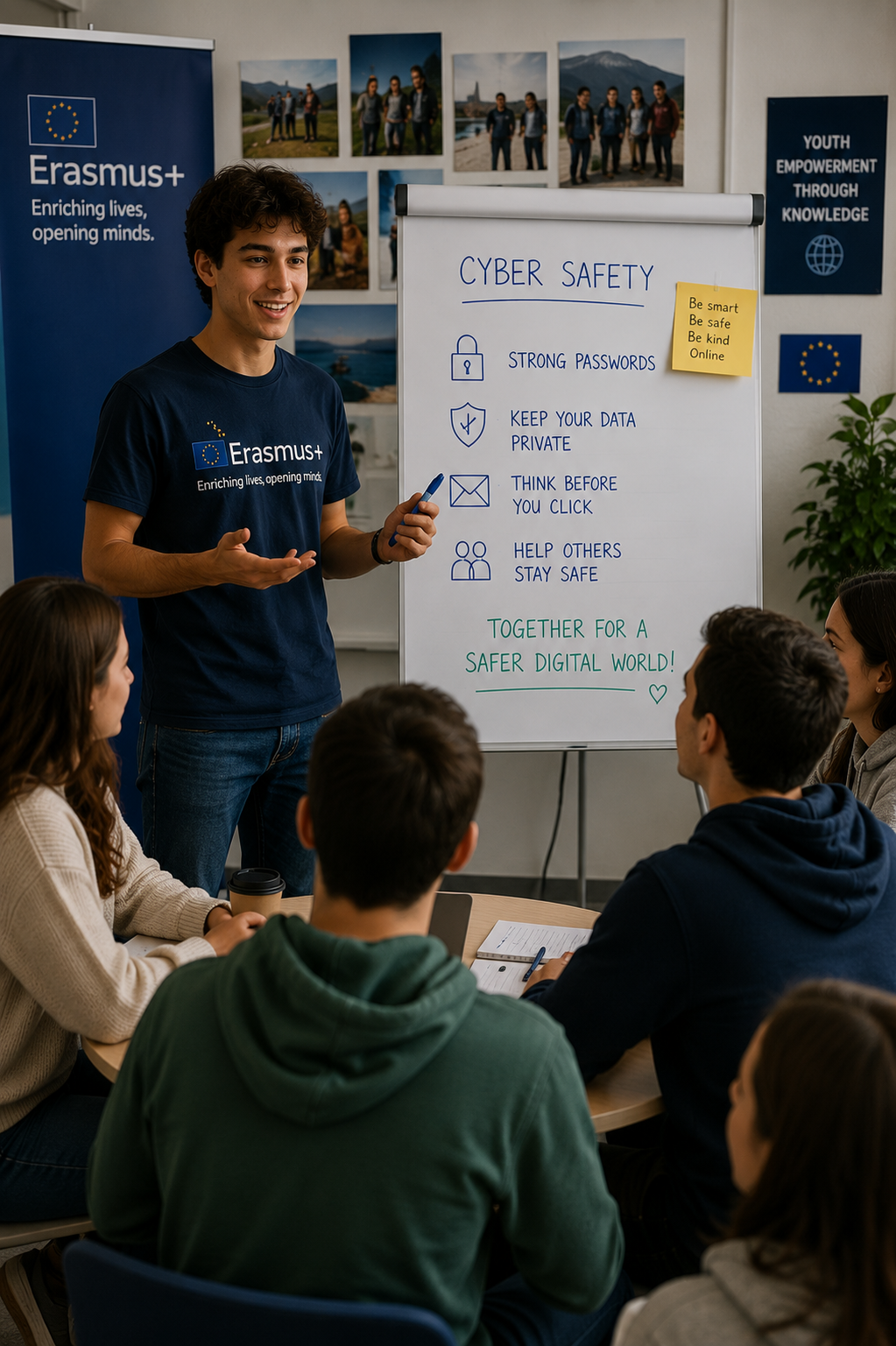
3.Sharing What You Know: Becoming a Cyber Ambassador
Cybersecurity becomes stronger when knowledge spreads. You now have the skills to help others — friends, classmates, siblings — stay safe online.
Think about how you could explain:
What phishing is and how to spot it
Why using the same password everywhere is risky
Why privacy settings matter
How fake shops and misleading offers work
You might choose to:
create a small awareness poster
record a short video
help a friend set up 2FA
present a tip in class
share a personal story that others can learn from
Every action counts. By teaching others, you strengthen your own understanding and help build a safer digital community.
-
![]()
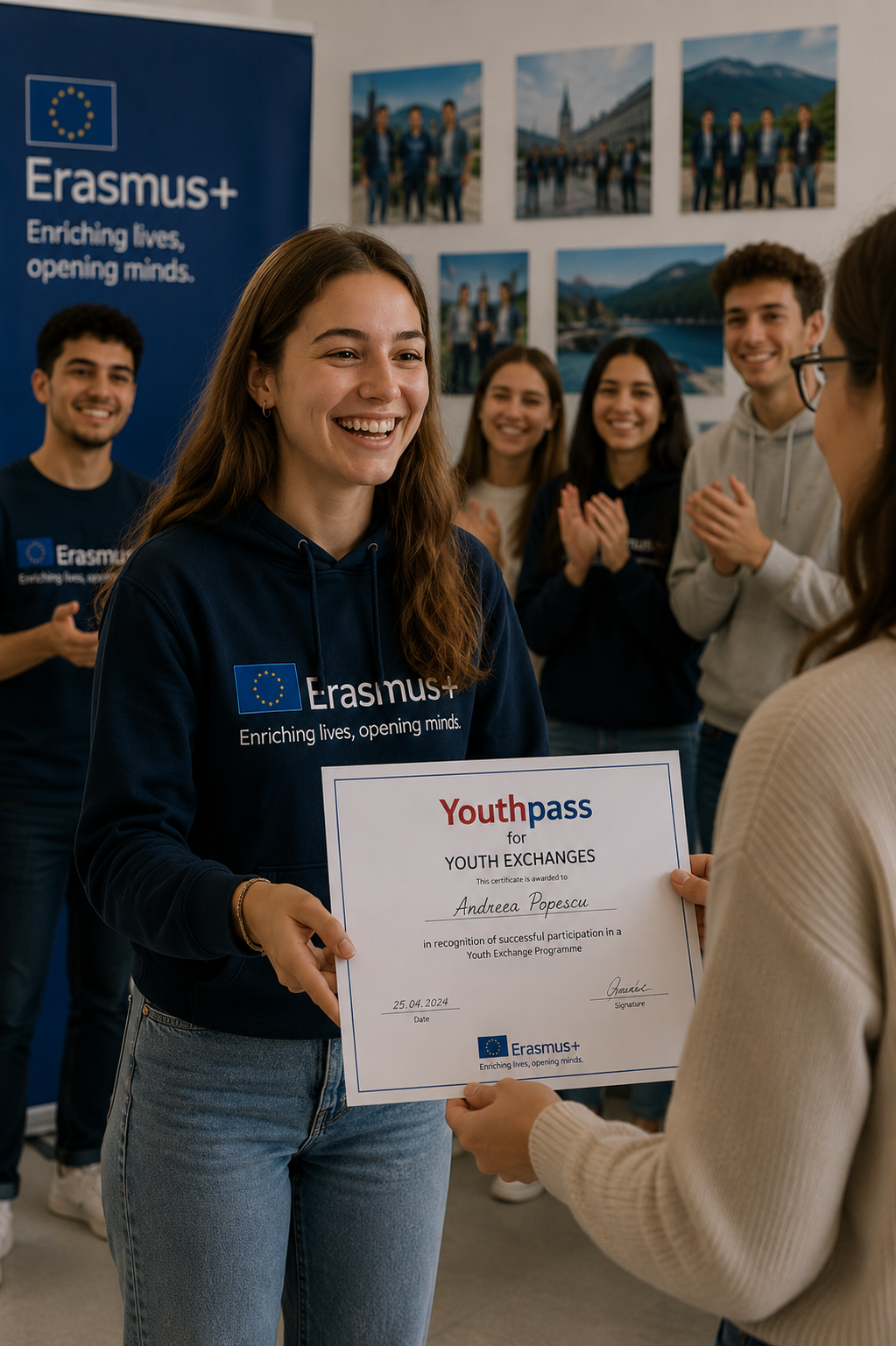
4.Certificates & Badges: Celebrating Your Progress
To close the course, you’ll receive a certificate or badge that recognizes your journey. This isn’t just a reward — it’s a reminder of the skills you’ve built and the responsibility you now carry as a digital citizen.
Possible badges
Cyber Rookie – for completing the course
Cyber Aware – for creating your personal checklist
Cyber Guardian – for strong engagement and safe habits
Cyber Ambassador – for helping others or sharing knowledge
This moment marks your transition from learner to practitioner. You’re no longer just someone who uses the internet — you’re someone who understands it, questions it, and navigates it with intention.

-
Add a short summary or a list of helpful resources here.